
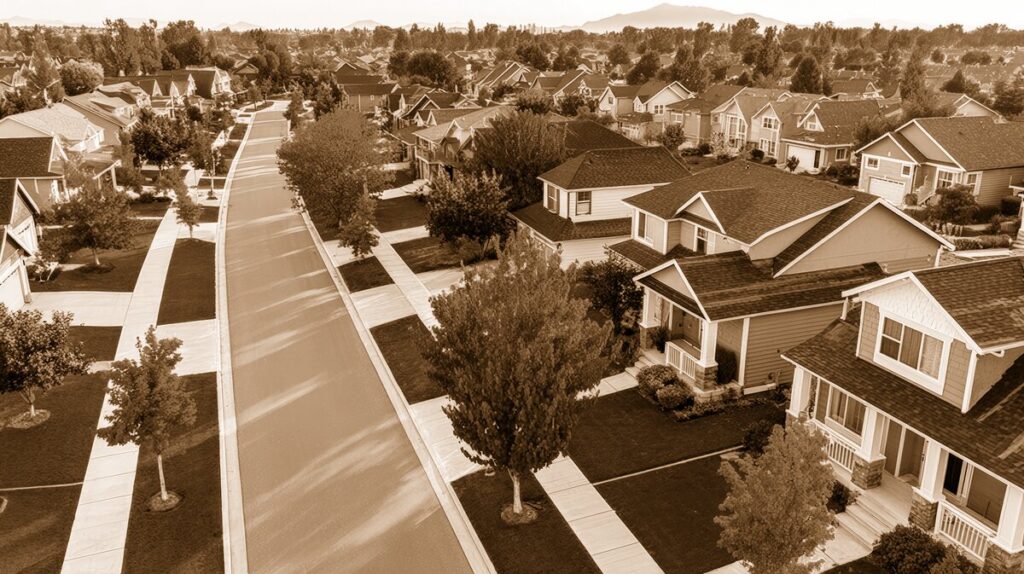
Nestled along the serene shores of Manhasset Bay lies Plandome, a picturesque neighborhood that exudes old-world charm while offering the warmth and vibrancy of a close-knit community. For generations, residents have cherished Plandome's peaceful tree-lined streets, distinctive architecture, and storied past. Let’s take a stroll through time and discover what makes Plandome such a treasured corner of North Hempstead, New York.
The Origins of Plandome: From Farmland to Flourishing Village
Plandome’s roots reach deep into the 17th century, when the land that now forms the neighborhood was part of a vast tract patented by Joseph and Richard Smith. For many decades, this area remained rural, populated by farms, pastures, and thick woodlands stretching between Manhasset and Port Washington.
The name "Plandome" itself is steeped in history. Derived from the Latin phrase “Planus Domus”—meaning “plain, or level home”—the name reflects the gentle slopes and open spaces that first drew settlers here. Historical records show that Dr. James MacDonald, one of Plandome’s earliest prominent residents and a notable physician, adopted this elegant name for his estate in the late 19th century. Over time, it became synonymous with the surrounding community.
Key Historical Milestones: Building a Community
- Late 1800s: Plandome’s transformation began in earnest when estates and farmhouses cropped up amidst sprawling countryside. The arrival of the Long Island Rail Road at nearby Manhasset Station offered easy access to Manhattan, making the area highly attractive for city dwellers seeking tranquility.
- 1911: The Plandome Country Club was founded on the grounds of Dr. MacDonald’s former estate, immediately becoming a social and recreational hub for the community. Its iconic gates and graceful clubhouse remain a symbol of the area’s heritage.
- 1913: Plandome Village was officially incorporated as a municipality, granting residents a distinct identity and self-governance. Boundaries were drawn around streets like North Plandome Road and Stonytown Road, which remain the neighborhood’s main arteries to this day.
- Mid-20th Century: Post-war growth saw older estates subdivided, giving rise to new homes reflecting a variety of architectural styles, including Colonial Revival, Tudor, and Mediterranean influences.
Notable Landmarks and Neighborhood Touchstones
Plandome’s commitment to preservation means that many of its original landmarks remain lovingly maintained:
- Plandome Village Hall
This graceful building on Stonytown Road serves as a civic anchor, frequently hosting community meetings and local events. Its classic design echoes the neighborhood's longstanding values: dignity, resilience, and neighborliness.
- Plandome Long Island Rail Road Station
Opened in 1909, the charming fieldstone station on Stonytown Road continues to welcome commuters each day. Its picturesque architecture graces many local postcards and offers a nostalgic glimpse into early 20th-century rail travel.
- Plandome Country Club
Located along North Plandome Road, this club has been a mainstay for over a century. Beyond its rolling golf course and fine dining, the club is renowned for bringing together families and fostering friendships that last a lifetime.
- The Stonytown Road Corridor
Lined with historic residences—some over a century old—Stonytown Road acts as a living timeline, where each home tells a chapter of Plandome’s story. Look out for details like original stone pillars, slate roofs, and century-old trees.
- Whitney Park
Though just beyond Plandome’s official boundaries, Whitney Park is beloved by residents for its sports fields, walking trails, and playgrounds, serving as a communal backyard for generations of neighborhood children.
Tradition and Evolution: Plandome Today
The spirit of Plandome is best captured in everyday life: children waving from bicycles along Luquer Road, families gathering for summer picnics in leafy backyards, and friendly chats under the canopy of ancient oaks. In keeping with its heritage, Plandome has managed to balance tradition and progress. Homeowners take pride in restoring old dwellings, while newcomers are welcomed with open arms.
The garden clubs and civic associations continue to play vital roles, organizing seasonal events such as the annual Halloween parade, spring flower sales, and festive holiday celebrations. The Village’s commitment to green spaces and architectural preservation is evident on every street, from Parkwoods Road to Plymouth Road.
Enduring Heritage: What Makes Plandome Special
- *Unity Through Time:* The closely-knit community is anchored by a shared appreciation for the neighborhood's history and natural beauty.
- *A Sense of Continuity:* Many families have called Plandome home for generations, preserving customs and traditions that keep the neighborhood’s character alive.
- *Embrace of Nature:* With its lush gardens and proximity to Manhasset Bay, Plandome offers a tranquil escape from the bustle of nearby urban centers.
Closing Thoughts
Living in Plandome means being part of a living, breathing story—one where past and present blend harmoniously. Whether you’re admiring the stately maples along Stonytown Road or striking up a friendly conversation at the LIRR station, you’ll feel the unmistakable sense of belonging that sets this village apart. Plandome isn’t just a neighborhood; it’s a cherished legacy, lovingly handed down from one generation to the next.